Why Fusion Bond Hair Extensions Are the Gold Standard

My experience with hair extensions goes beyond imagination. What I offer is not simply hair—it is the premium luxury born from decades of hard work, precision, and perfection.

Every raw hair bundle is personally selected, cleaned, colored, drawn, and bonded by my own hands. I have been doing this since 1988. With that level of experience, excellence is not a claim—it is a standard.

Why Technique Matters More Than Trend

Not all hair extension systems are created equal. Damage does not come from extension themselves, but from poor-quality hair, incorrect techniques, and untrained application.

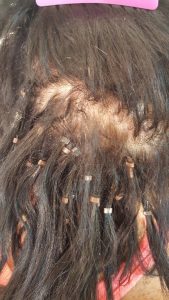
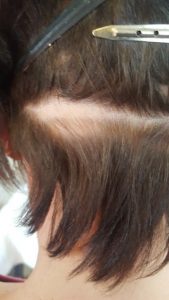
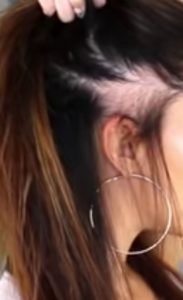
One of the biggest causes of hair loss with extensions is traction. When hair is packed into rows, constant tension on the scalp leads to thinning and long-term damage.
My method is different:
Hair is applied in a scattered pattern, never in heavy rows
-Crowns and hairlines are avoided
-Attachments are never placed on the same spot during maintenance
-Maintenance is done every three to four months, allowing the hair to rest and
recover
This protects the natural hair while allowing it to grow freely.

Comparing Extension Methods

Clients often ask: Which is best—Tape-ins, Micro Rings, Wefts, or Bonds?
Here is an honest, experience-based breakdown.

Micro Rings

Micro rings attach extension hair using small metal links or polymer shells. While sometimes
suitable for certain hair types, they come with risks:
-Not suitable for clients with nickel allergies
-Can rust if hair is not fully dried before application
-Rusting causes permanent hair damage and band marks
-Weak points form where hair eventually snaps
I have personally seen irreversible damage caused by poorly applied micro rings.

Tape-Ins

Tape-ins are one of the most commonly misused extension systems.
-Applied using industrial double-sided adhesive
-Often used without proper training
-Very visible and difficult to style naturally
-Heat causes the tape to slide, creating strain on natural hair
-Adhesive is extremely difficult to remove without pulling out natural hair
Tape-in hair is usually single drawn, meaning inconsistent lengths and lower-grade processing. This type of hair is better suited for wigs and hairpieces—not long-term scalp attachment.

Wefts

Wefts are sewn into tracks or cornrows and can last three to four months.
While reusable, wefts place tension on braided rows. Many professionals agree that extensions should not be left in longer than 10 weeks due to traction risks.
With proper training, wefts can work—but they do not offer the flexibility, natural movement, or longevity of fusion bonds.

Clip-Ins

Clip-ins are a temporary, do-it-yourself option:
-Ideal for occasional volume or length
-Easy to apply and remove
-Not suitable for long-term wear
They are a good starting point, but not a professional long-term solution.

The Truth About Hair Quality

Terms like single drawn and double drawn matter.
-Single drawn hair contains mixed lengths and lighter density.
-Double drawn hair undergoes additional processing for uniform length and fullness.
High-quality hair is labour-intensive to produce—and worth it.
Poor-quality hair leads to tangling, matting, and dissatisfaction after only a few washes.

Fusion Bonds: The Superior Method

Fusion bond extensions stand apart because they prioritise the health of a woman’s natural
hair above everything else.

This is not about trends or fashion cycles — it is about a product and technique that actually works for women, across different ages, lifestyles, and hair conditions.
-Individual placement eliminates traction
-Natural movement and seamless blending
-Long-lasting results with proper maintenance
-Hair can last over three years

Colour can be customised using advanced measuring and drawing techniques,
including natural ombré effects.
With experience comes efficiency — applications do not take endless hours, and the result is natural, lightweight, and stunning.

Supporting Women Through Illness and Recovery

There is a deeper responsibility that comes with this work.
Women who have experienced severe illness, medical hair loss, or cancer treatment often lose more than their hair — they lose confidence, identity, and a sense of normalcy.

For this reason, women undergoing medical hair loss or recovering from cancer treatment may receive my assistance free of charge, subject to a gentle and respectful consultation process.
This support is offered to preserve dignity and wellbeing — not as a general discount or promotional service.

A Gentle Note on Boundaries

To protect the integrity of this work and ensure help reaches those who truly need it:
-Medical support is offered following a private consultation
-Proof of medical treatment may be requested, handled with discretion
-Availability is limited to protect quality of care
Compassion and professionalism can — and must — exist together.
This approach allows me to give from the heart, while still protecting my time, craft, and the women I serve.

My Values & Ethics

This work is not just about hair.
It is about integrity, responsibility, and respect for women.
I have built my career on principles that do not change with trends, profit, or pressure. These values guide every decision I make — from sourcing hair to who I choose to help, and how.

Integrity Above All

I source and pay for my hair ethically. Every bundle is purchased, traceable, and selected with care.
I do not rely on free donations or unclear supply chains. Paying for hair ensures transparency, consistent quality, and respect for the original owner of the hair as well as the woman who will wear it.
Integrity is not a marketing tool — it is a responsibility.
Craftsmanship, Not Mass Production
Each bundle is personally:
-Selected
-Cleaned
-Coloured
-Drawn
-Bonded by hand
This is skilled, labour-intensive work refined over decades. There are no shortcuts, no factory
systems, and no compromise on quality.
Luxury is created through time, precision, and experience.

Hair Health Comes First

I do not believe in techniques that damage natural hair for the sake of speed or trend.

Every method I use is designed to:
-Minimise traction
-Protect the scalp
-Support long-term hair growth
-Preserve the client’s natural hair

If a technique is not safe, I will not use it — regardless of demand.

Compassion With Boundaries

I believe deeply in helping women through illness, medical hair loss, and recovery.
Women undergoing medical treatment or recovering from serious illness may receive my assistance free of charge, within a professional consultation process.

Compassion does not mean obligation

Boundaries ensure that help reaches those who genuinely need it, while preserving dignity, fairness, and quality of care.

Respect for Women

Hair is personal. Losing it can affect identity, confidence, and emotional wellbeing.
Every woman who sits in my chair is treated with discretion, honesty, and respect —
regardless of age, background, or circumstance.
There is no judgment here. Only professionalism.

Experience Matters

I have worked exclusively with hair extensions since 1988.
Experience cannot be rushed, taught overnight, or replaced by certificates alone. It is earned through years of hands-on work, mistakes, refinement, and mastery.
When you choose me, you are choosing decades of lived expertise.

A Final Word

I do not compete on price.
I do not follow trends blindly.
I do not compromise my values.
What I offer is honesty, craftsmanship, and care — delivered with skill, ethics, and heart.

Your Top Hair Extensions Questions Answered: A Comprehensive Guide

Long, flowing hair is often a dream for many. Thicker, more voluminous locks can boost confidence and transform your look. Hair extensions offer a popular and effective way to achieve this dream, providing instant length, body, or even a splash of new color.

Yet, with so many options, picking the right hair extensions can feel confusing. You might wonder how they work or if they’ll damage your natural hair. This guide will clear up common questions about hair extensions. Our goal is to give you the knowledge and confidence to make smart choices for your hair journey.

Understanding the Basics of Hair Extensions

What Are Hair Extensions?

Hair extensions are strands of hair, either human or synthetic, added to your natural hair. They easily blend in to create more length, volume, or even new colors. People use them to change their look quickly or enhance their natural style.

Types of Hair Extensions

Different types of extensions suit various hair needs and lifestyles. Knowing how each works helps you choose.

Clip-in Extensions

Clip-in extensions are simple to use. They come with small clips attached to wefts of hair. You can put them in and take them out yourself daily. They are perfect for special events or when you want a temporary change. They cause no damage to your hair if used correctly.

Tape-in Extensions

Tape-in extensions use thin, sticky tabs to attach to your hair. Small sections of your natural hair get sandwiched between two extension wefts. They lie flat against the head, offering a natural look. Tape-ins last for weeks and are great for semi-permanent wear. Improper removal can sometimes cause damage.

Sew-in/Weave Extensions

Sew-in weaves involve braiding your natural hair into cornrows. Hair wefts are then sewn onto these braids. This method is very secure and durable. It’s a good choice for those with thicker hair. Weaves can last for months, but they require professional installation and removal.

Fusion/Bonded Extensions (Hot and Cold Fusion)

Fusion extensions offer a seamless blend with your hair. Hot fusion uses a keratin bond, melted with heat, to attach small hair strands. Cold fusion uses micro-rings or ultrasonic waves, avoiding heat. Both methods are long-lasting and look very natural. However, they take a lot of time to put in. Heat can also pose a risk if not applied by a pro.

Micro-link/Micro-bead Extensions

Micro-link extensions attach small bundles of hair to your own strands. A tiny bead secures them with a special tool. No heat or glue is involved, which makes them gentle. They are semi-permanent and can be reused. If the beads are too tight, they might pull on your natural hair.

Human Hair vs. Synthetic Hair

When choosing extensions, you’ll pick between human or synthetic hair. This choice affects how they look, feel, and how you care for them.

Human hair extensions offer the most natural look and feel. You can style them just like your own hair, using heat tools or coloring products. They last longer but cost more. Synthetic hair extensions are made from man-made fibers. They hold their style well and are more affordable. Yet, you cannot use heat tools on most synthetic hair. They also have a shorter lifespan.

Choosing the Right Hair Extensions for You

Picking the right extensions needs some thought. Your hair type, lifestyle, and budget all play a part.

Assessing Your Hair Type and Condition

Before anything else, look closely at your own hair. Is it fine, medium, or thick? What’s its texture – straight, wavy, or curly? Extensions should match your natural hair to look good and prevent strain. If your hair is very fine or damaged, heavy extensions might not be a good idea. A healthy scalp is also key for proper attachment.

Considering Your Lifestyle and Maintenance Routine

Think about your daily life. Do you exercise often, or swim a lot? Some extensions require more daily care than others. Clip-ins are easy for active people, as you can take them out. Permanent methods need more commitment to special washing and drying routines. Be honest about how much time you want to spend on hair care.

Budget and Cost Considerations

Hair extensions vary a lot in price. This includes the cost of the hair itself, professional installation, and ongoing maintenance. Clip-ins are the least costly upfront. Tape-ins and sew-ins fall in the middle. Fusion and micro-links are usually the most expensive due to their complex application. Remember to budget for removal and reapplication appointments too. Cheap extensions might save money at first but could cost more in damage or shorter wear.

Hair Extension Installation and Maintenance

Proper installation and care are vital for keeping your extensions looking great. It also protects your natural hair.

Professional vs. DIY Installation

Getting extensions done by a professional is always best. They know how to match color and texture perfectly. A stylist applies them correctly, preventing damage and ensuring a natural look. DIY installation, especially for semi-permanent types, can lead to uneven placement or harm your hair. It might also cause discomfort or scalp issues. Save the DIY for temporary clip-ins.

How to Care for Your Hair Extensions

Good care makes your extensions last longer and stay beautiful. It also keeps your natural hair healthy underneath.

Washing and Conditioning Best Practices

Always use sulfate-free shampoos and conditioners. Sulfates can dry out extensions and break down bonds. Wash gently, working from the roots down, without scrubbing too hard. Rinse thoroughly. Apply conditioner mainly to the mid-lengths and ends. Avoid getting conditioner directly on the bonds or tapes to keep them secure.

Brushing and Detangling

Brush your extensions often, but gently. Use a wide-tooth comb or a special extension brush. Always start brushing from the ends and work your way up to the roots. Hold the hair at the roots to avoid pulling on the bonds or your scalp. Never brush wet hair too hard.

Styling and Heat Tools

Heat tools are fine for human hair extensions, but use them wisely. Always spray a heat protectant first. Use lower heat settings. Avoid applying direct heat to the attachment points like bonds or tapes. This can melt or loosen them. For synthetic hair, follow the maker’s instructions carefully.

What to Avoid with Hair Extensions

To keep your hair and extensions healthy, steer clear of certain things. Harsh chemicals, like those in some hair dyes or perms, can harm extensions. Excessive heat styling without protection can dry them out. Sleeping with wet hair or not tying it up can cause tangles and matting. Never try to remove permanent extensions yourself. This often leads to severe hair breakage.

Potential Risks and How to Mitigate Them

While hair extensions offer many benefits, knowing the possible risks helps you avoid them.

Hair Damage and Breakage

One of the biggest worries is damage to your natural hair. If extensions are too heavy, applied incorrectly, or not cared for, they can pull and break your hair. Using the wrong products can also weaken your strands.

The Impact of Tight Application

Extensions put in too tightly can cause a condition called tension alopecia. This is hair loss from constant pulling on the hair follicles. It often shows up as thinning around the hairline. Always speak up if your extensions feel too tight or cause pain after installation.

Chemical Treatments and Extensions

Coloring, perming, or chemically straightening your hair with extensions attached is risky. The chemicals can react poorly with extension hair. They can also weaken the bonds or cause your natural hair to break under the weight. Always consult your stylist before any chemical service.

Scalp Irritation and Discomfort

Some people feel itching or soreness when they first get extensions. This is often due to the added weight or pressure on the scalp. It usually goes away as you adjust. If it continues or gets worse, the extensions might be too tight or improperly placed. Talk to your stylist if you feel a lot of discomfort.

Longevity and Removal of Extensions

Different extension types have different lifespans. Tape-ins might last 6-8 weeks before needing to be moved up. Sew-ins can last 8-10 weeks. Fusion and micro-links can last 3-5 months. No matter the type, professional removal is key. Trying to pull them out yourself can lead to severe damage and hair loss.

Real-World Experiences and Expert Insights

Hair extensions have become a go-to for many looking to enhance their hair. The market has grown a lot, showing how popular these solutions are. Many people find them transformative.

“Choosing the right extension type for your hair’s density and lifestyle is paramount,” says a leading extension specialist. “Don’t just pick based on price. Think about the long-term health of your natural hair. Proper care, like using salon-grade products and gentle brushing, is also a non-negotiable part of keeping them beautiful.”

One client shared, “I was nervous about getting extensions because I worried about damage. But my stylist took time to explain everything. We chose micro-links. With her guidance on care, my hair looks fuller and healthier than ever. It made such a difference in how I feel.”

Conclusion

Hair extensions can truly transform your appearance and boost your confidence. You’ve learned about the various types, how to choose the right ones, and essential care tips. Remember that professional installation and regular maintenance are crucial for success.

Don’t be afraid to ask questions and seek advice from a trusted stylist. With the right choice and proper care, your hair extension journey can be a rewarding one, giving you the hair you’ve always wanted.

Everything You Need To Know About Hair Extensions

5 Things you need to know about Hair Extensions

Hair extensions are a popular way to add length and volume to your hair, and they have become increasingly popular in recent years. Hair extensions can be made from synthetic or natural hair, and they come in a variety of styles, colors, and lengths. In this article, we will explore the world of hair extensions and the benefits they offer.

Types of Hair Extensions

There are several different types of hair extensions, and each type has its own unique advantages and disadvantages. Here are some of the most popular types of hair extensions:

Clip-In Hair Extensions
Clip-in hair extensions are the most popular type of hair extensions because they are easy to use and can be applied at home. They consist of small wefts of hair that are attached to small clips. The clips are then attached to your natural hair, adding length and volume.

Tape-In Hair Extensions
Tape-in hair extensions are applied using a special adhesive tape. They are applied in small wefts, and the tape is used to attach the extensions to your natural hair. Tape-in hair extensions can be more comfortable than clip-in extensions because they lay flat against your scalp.

Sew-In Hair Extensions
Sew-in hair extensions are applied by braiding your natural hair and then sewing the extensions into the braids. Sew-in extensions are more permanent than clip-in or tape-in extensions, and they can last for several months.

Fusion Hair Extensions
Fusion hair extensions are applied using a special adhesive that is melted and then attached to your natural hair. Fusion extensions can last for several months, but they can be more damaging to your natural hair than other types of extensions.

Benefits of Hair Extensions

Hair extensions offer several benefits, including:

Instant Length and Volume
Hair extensions can give you instant length and volume, which is great if you have thin or short hair. With extensions, you can achieve any hairstyle you want, from long and luscious waves to a sleek and straight bob.

Easy to Maintain
Hair extensions are easy to maintain and require minimal styling. They can be washed and styled just like your natural hair, and they don't require any special products or treatments.

Versatility
Hair extensions come in a variety of styles, colors, and lengths, so you can choose the perfect extensions for your hair. You can also experiment with different hairstyles and colors without committing to a permanent change.

Boosts Confidence
Hair extensions can boost your confidence by giving you the hair you've always wanted. They can also make you feel more feminine and glamorous, which can be a real mood booster.

Conclusion

Hair extensions are a great way to add length, volume, and versatility to your hair. With so many different types of extensions available, you can choose the perfect extensions for your hair and your lifestyle. Whether you want long and luscious waves or a sleek and straight bob, hair extensions can help you achieve the perfect look.

What Are The Best Types Of Hair Extensions

What are the best types of hair extensions? Tape-ins, Micro rings, wefts or bonds.

Well, here are a few tips to help you decide.

Micro Rings

Human extension hair is attached with tiny links, sleeves, locs or shells that can match your hair color or be clear. Some of these micro products are made from especially formulated polymer materials. Others are made from flexible nickel tubing that is squeezed shut to hold the hair in place. They are non-magnetic and if made properly, do not rust. If you have a nickel allergy you will not be able to wear them.

Some of these micro methods are used on extremely over processed hair, very fine, silky straight hair and any hair that has trouble holding the adhesive or keratin products used by the other extension methods. The micro shells and links can be re-used sometimes up to three times.
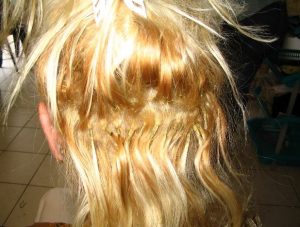
The lady in the above photo had an installation done by an inexperienced technician, who did not dry the client’s hair properly before attaching the links.  The metal stayed wet inside the ring and started rusting, causing permanent damage to the client’s hair, also leaving band marks that will eventually snap her hair, at point of attachment.

Tape-ins

This is the most common way of adding extensions without proper training.  The tapes come in long sticky strips and gets sandwiched in between a strip of your own hair.

Tape ins is mostly made single drawn, to prevent an even larger damage to the scalp, it makes the hair lighter.

This lower grade of processing does not keep all the hair in one direction & the roots & ends are not separated during processing. In addition, you will find a larger amount (40%) of hair with lengths shorter/longer than the specified length of the bundle. Once processing is complete, both ends of the bundle are cut to improve uniformity.  This process is conducive for medium quality wigs, hairpieces, toupees & extensions.

Very visible and hard to hide or create a proper style.

After hours of removing the sticky double sided glue and the obvious damage it has done to the scalp and hair.

The strip eventually starts sliding from heat, putting huge strain on the hair.  The sticky substance between the tape-ins is not a glue made specially for hair, it is industrial.

On removing the hair, according to my experience nothing, not even thinners remove the glue from the hair.  Pulling most of your own hair out.

Various types of two-sided tape are used to attached hair extension weft or strands.

Wefts

Wefts of extension hair are sewn into tracks created on the head with cornrows. Wefts are re-usable and this system can last 3 – 4 months. Tracks can also be made with hand-tied knots. The extension hair is sewn into the knotted track with a needle and weaving cord.

Drawn is the word used for pulling the hair through an instrument that puts the hairs together (Hackle). It is also called hackling. Single drawn is the 1st hackling of the hair. This puts the hairs together. Similar lengths are gathered 6” to 10”; 11” to 14” and so on. Within the bundles the lengths will be varied. This has to do with how people’s hair grown, falls out and replaces itself. Double drawn is another hackling and a finer separation of the hair. This is much more labour intensive and will just about double the price of the hair. Some hair traders do not double drawing of the hair.

The lady in the above photo's hair was attached with the weaving method.

Be advised that there are some stylists and professionals  in the hair extension industry that stress that no hair extensions should be left attached to your hair for more than 10 weeks, as they will  cause permanent hair loss if left longer.  I have been wearing extensions for nearly 8 years, the period I go with my attachments is 4 months.  Hair grows naturally 1cm per month.  If the hair is attached by a well trained extensionist it should last up to 4 months.

A Bonding glue adhesive material is brushed into the weft of the extension hair and it is then applied to the root of the individual’s hair.

Clip Ins

Extension hair is clipped directly to hair with tiny hair clips. This is an easy do-it-yourself solution for hair extensions. The hair is purchased with the tiny clips already attached on the ends. Clip-in extensions may be a great place to start if you are serious about getting hair extensions.  It can be used to make partial or total extensions, according to the quantity of hair strips applied.

The particular 3 clips clasp allows a fast and practical application and makes asymmetric and trendy hair styles easy.  The 2 and 1 clips allow for volume and length on the sides or just to add a few streaks to the hair.

It may take some practice to perfect attaching clip-in hair extensions

Many things can go wrong with hair extensions.  They can severely damage the natural hair; even cause permanent hair loss in some cases.

If poor quality hair is used, the result can be severe tangling and matting after several shampoos.

Problems begin when the extensions are not attached properly, removed properly and maintained properly on a daily basis.

With very few exceptions, all hair extensions are a non-refundable service.

Extensionists set aside a huge amount of time to do a full head of extensions.

A reputable extensionist will take care of any concerns or issues a client has regarding hair extensions.  If you have done proper training, you will be a reputable extensionist and have nothing to worry about

Fusion

Is this possible with any other of the above methods?  Absolutely not.

"Fusion" refers to strand by strand and attachment. The adhesive is a non damaging material that is made up of Keratin. Polyethylene is present in bonds, to form a bonding agent.

Be advised that there are some stylists and "professionals" in the hair extension industry that stress that no hair extensions should be left attached to your hair for more than 10 weeks, as this will cause permanent hair loss if left longer.

With our extensions, experience and bonding methods you can retain extensions for 3 to 4 months without losing your hair.


Botched Hair Extensions

Hair extensions when done right, can look amazing and make you feel like a million bucks. When done wrong, looks horrible and can make you feel ugly. Don't learn the hard way, hair extensions should be installed and maintained by a seasoned professional.

If your extensions knots, shed, hurt your scalp and your extensionist tells you stories like, you got the wrong brush, shampoo, or you do something wrong, run, she is uneducated and used to telling lies, just for the sake of making money.

There is no such thing as Keratin or Protein bonds, all is made of the same substance, some adds stain to it, but all is made with polyethylene plastic, it is the way the extensionist attach the hair, If she puts strain on your hair the bond will open, water and chemicals will push the bond open and wet hair swells 4 times it size, then you will find loose hair. If it pulls out with your own hair, then she did not put it in perfectly balanced. If it slides, it's not too bad then she just did not use the right temperature for the connector.

Most hair extensionist's will use photos from other hair extensionists, and usually don't bother to ask the right questions. When the client comes for attachment, they get bewildered and confused. A proper consultation is crucial, specially for women with thin and fragile hair, it pulls most of the hair out if not attached correct

Tape ins is normal double sided tape and will typically take as much as 5 hours to remove the glue from the clients hair. With the tape in removal a lot of natural hair will either get damaged or pulled out.

If you want your hair extensions to look and feel natural then it goes without saying cheap hair extensions and hair extension installers wont cut it. In the end you will get what you pay for.

Hair Extension Designer Outlet

Your Exclusive Hair Designer outlet, will be the first and only one in the world where you will sell pure natural virgin hair, Produced and manufactured in South Africa.

You will be selling and wearing the quality for a decent amount.

  • Hair is Re-usable
  • No special products it acts like your own.
  • No special tints and colors it colors with your own hair, you go on and do regrowth as normal……you can even change your color now and then.
  • Because it is natural virgin hair you will not need as much as normal non remy single drawn hair.
  • No damage to your own hair.
  • No visible bonds, you can wear your hair up.
  • You can swim, gym and just feel free.

5 Things you need to know about Hair Extensions

Thinking of getting hair extensions? In this article I discuss a few points.

5 Things you need to know about Hair Extensions
  1. Don't skimp on choosing the right salon! Go to a salon that specialises in hair extensions and has a good reputation.
  2. You don't necessarily need to add length - more than half of those who wear hair extensions do so for volume only.
  3. Make sure you research and choose the best quality hair you can afford upfront.
  4. You will have to spend a decent amount on quality hair products. Good hair extensions need good quality products.
  5. You will be spending on maintenance. Quality hair extensions need love to keep them looking gorgeous.